2D vs 3D Animation: What’s The Difference?
KEY POINTS OF THE ARTICLE
- Overview of the preference for 2D vs. 3D games in the gaming industry.
- Appeal of 2D games to retro gamers, indie fans, and casual players.
- Popularity of 3D games for immersive experiences, exploration and modern gaming trends.
- Many gamers enjoy both types, depending on the experience desired.
- Development cost differences 2D games are cheaper and faster, while 3D games require more resources.
- Breakdown of typical expenses for both 2D and 3D games.
- Factors contributing to higher costs in 3D game development such as complexity and hardware requirements.
- Tips for choosing between 2D and 3D based on project scope and resources.
What is the difference between 2D and 3D animation?
2D animation uses flat visuals in two dimensions, while 3D animation creates depth and allows movement in a three-dimensional space.
The Preference for 2D or 3D Games
2D games use flat graphics like sprites, while 3D games use three-dimensional models with depth and perspective. Although 3D games dominate modern gaming markets, 2D games remain beloved for their simplicity and charm. The preference depends on a person's gaming background and tastes.
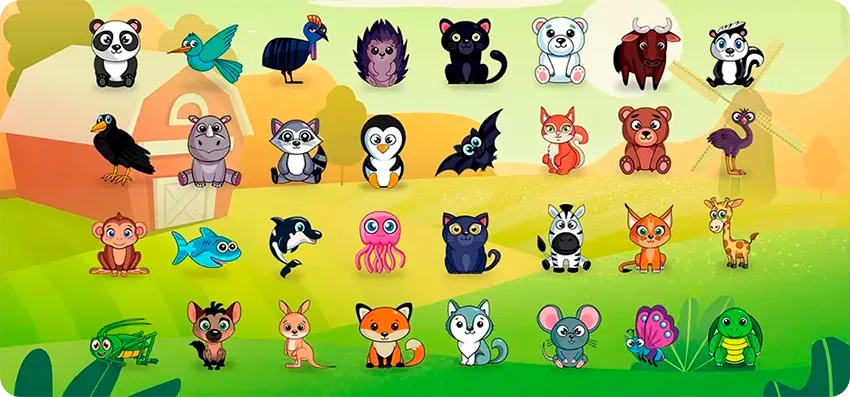
- Fans of Retro and Nostalgic Gaming
People who grew up with classic consoles like the NES, SNES, or Sega Genesis often have a soft spot for 2D games. - Indie Game Enthusiasts
Many indie games are 2D due to their simpler development process. Fans of indie titles like Hollow Knight or Celeste often love 2D for its focus on gameplay and art. - Art and Design Lovers
2D games often feature hand-drawn or pixel art styles, which appeal to those who appreciate unique, artistic visuals. - Casual Gamers
2D games, especially platformers and puzzles, are often easier to pick up and play, making them appealing to casual gamers. - Gameplay Purists
Some people prefer 2D games because they often emphasize tight mechanics and focused gameplay over expansive worlds.
Who Loves 3D Games?
- Immersion Seekers
Players who enjoy realistic graphics and immersive environments often prefer 3D games like The Elder Scrolls, The Witcher, or Red Dead Redemption. - Fans of Exploration
Open-world games, often in 3D, offer vast areas to explore, appealing to those who love adventure and discovery. - Modern Gamers
People who grew up with or are accustomed to modern consoles and PCs often prefer 3D games, as they are typically seen as cutting-edge. - Competitive Players
Many popular multiplayer games, such as Fortnite, Overwatch, or Valorant, are 3D, catering to competitive players. - Simulation Enthusiasts
Players of racing, flight simulators, or life simulation games often gravitate toward 3D due to the realistic feel of these environments.
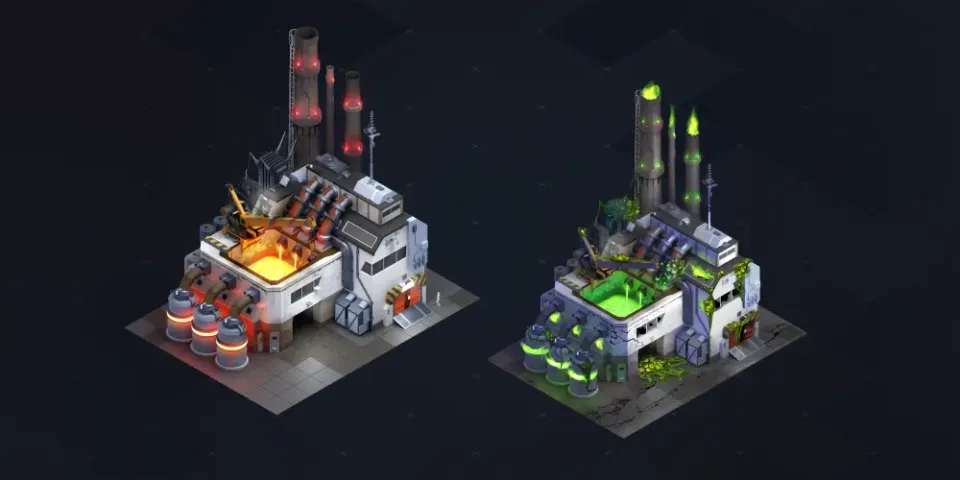
Can both be loved by one person? Yes! Many gamers enjoy both types. For example, someone might appreciate the artistry of a 2D indie platformer while also enjoying the realism of a 3D RPG. It's all about what experience the player is looking for at the moment.
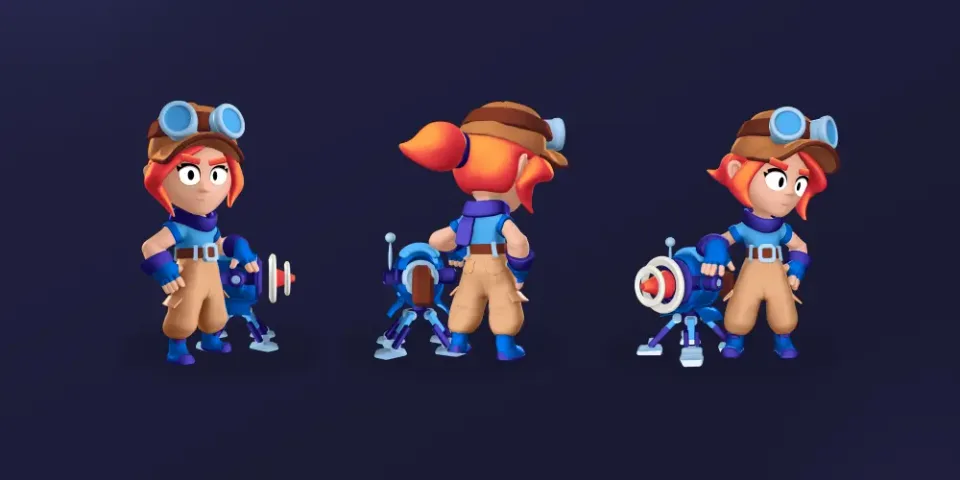
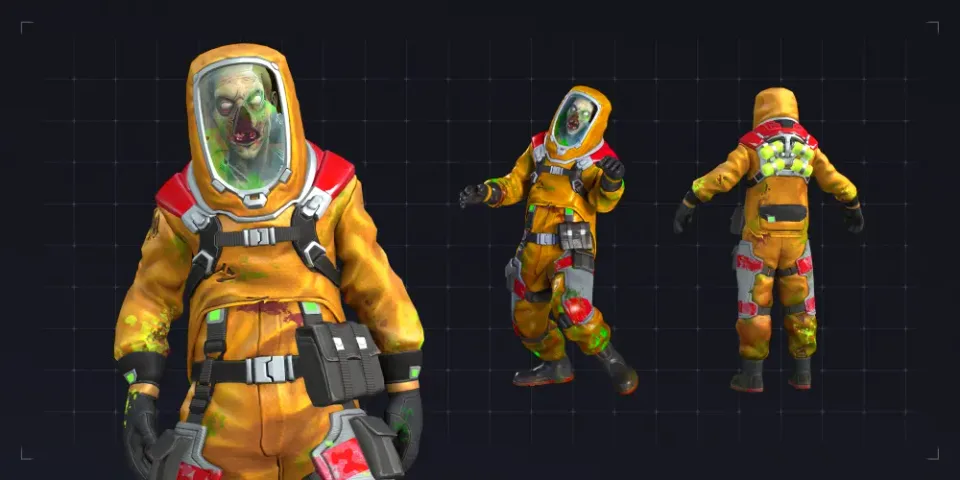
Time Is/And Money
The cost of developing 2D games versus 3D games can vary significantly due to differences in complexity, technology, and required resources. Collaborating with a game art outsourcing studio can help manage these costs effectively by providing specialized expertise in both 2D and 3D art creation.
| Aspect | 2D Games | 3D Games |
| Art/Graphics |
|
|
| Game Engine |
|
|
| Animation |
|
|
| Development Time |
|
|
| Hardware Requirements |
|
|
| Team Size |
|
|
| Sound Design |
|
|
| Marketing |
|
|
| Overall Costs |
|
|
Breakdown of Typical Expenses
For 2D Games:
- Art & Animation: $5,000–$50,000 (depending on art style complexity).
- Programming: $10,000–$100,000 (smaller scope, fewer mechanics).
- Music & Sound: $2,000–$10,000 (basic soundtrack and effects).
- Marketing: $5,000–$50,000 (lower visibility campaigns).
Total for a typical indie 2D game: ~$30,000–$150,000.
For 3D Games:
- Art & Animation: $20,000–$200,000+ (modeling, rigging, and animating).
- Programming: $50,000–$500,000 (complex mechanics and systems).
- Music & Sound: $10,000–$50,000 (orchestral or dynamic soundtracks).
- Motion Capture (optional): $10,000–$50,000.
- Marketing: $50,000–$2M+ (larger, more competitive campaigns).
Total for a medium 3D game: ~$300,000–$2M+.
Why the Difference?
Complexity: 3D games require more resources for creating models, animating, and optimizing, while 2D games focus on simpler visuals and mechanics.
- Team Size: A larger, more specialized team for 3D increases costs.
- Tools: Tools for 3D modeling and animation are more expensive and demanding.
Don’t know where to start?
Contact Us now
Your game deserves to shine!Contact usWhich do I use for my project? How to choose
With a proven track record of over 150 successfully completed projects for 70+ satisfied clients, Whimsy Games stands as a leading 3D game art studio. We offer solutions tailored to diverse needs. Our 2D game art outsourcing services ensure visually stunning designs that align perfectly with your project's vision. Crafting captivating initial artwork, shaping the overall aesthetic to implementing cutting-edge technologies – whatever you want, we deliver comprehensive services in both 2D and 3D animation. If you're ready to bring your vision to life, hire a game development studio with expertise in both design and technology. Contact us today!

Written by
Denys KliuchCEO
I'm a CEO and a Co-Founder of Whimsy Games. Before that, I advanced my expertise in engineering, management, traffic marketing, and analytics working for large game development studios with a $1M+ monthly income. With a clear vision of how game development should work, I run Whimsy Games, being responsible for the marketing and sales of our products and services.